Home › Asphalt Pathways, Sidewalks, and Trails
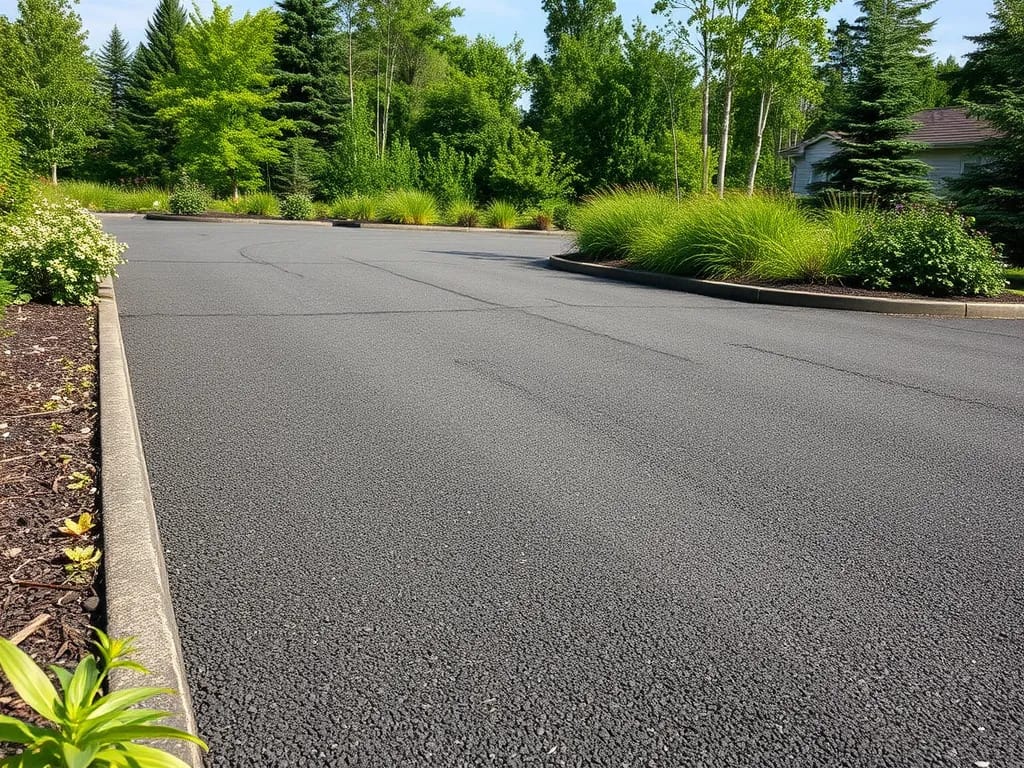
Connect your site with smooth, accessible routes using asphalt pathway paving in Plano, TX. We build sidewalks, multi-use trails, and bike paths for parks, schools, campuses, and HOAs with consistent grades and surfaces that are comfortable for walkers, strollers, and cyclists.
Precision Asphalt Plano provides professional asphalt pathway paving throughout Plano, TX, Texas and the surrounding area. Our licensed, insured crew delivers safe, clean, on-time work with a free estimate before anything begins. Call (469) 609-1491 or request your free quote.
Asphalt Pathway Paving in Plano, Built for Daily Use
Asphalt pathways, sidewalks, and trails see a very different kind of traffic than driveways or parking lots. People walk dogs, push strollers, jog, and ride bikes on them every day. At Precision Asphalt Plano, we design and build asphalt paths around how Plano residents actually use their neighborhoods, schools, and parks.
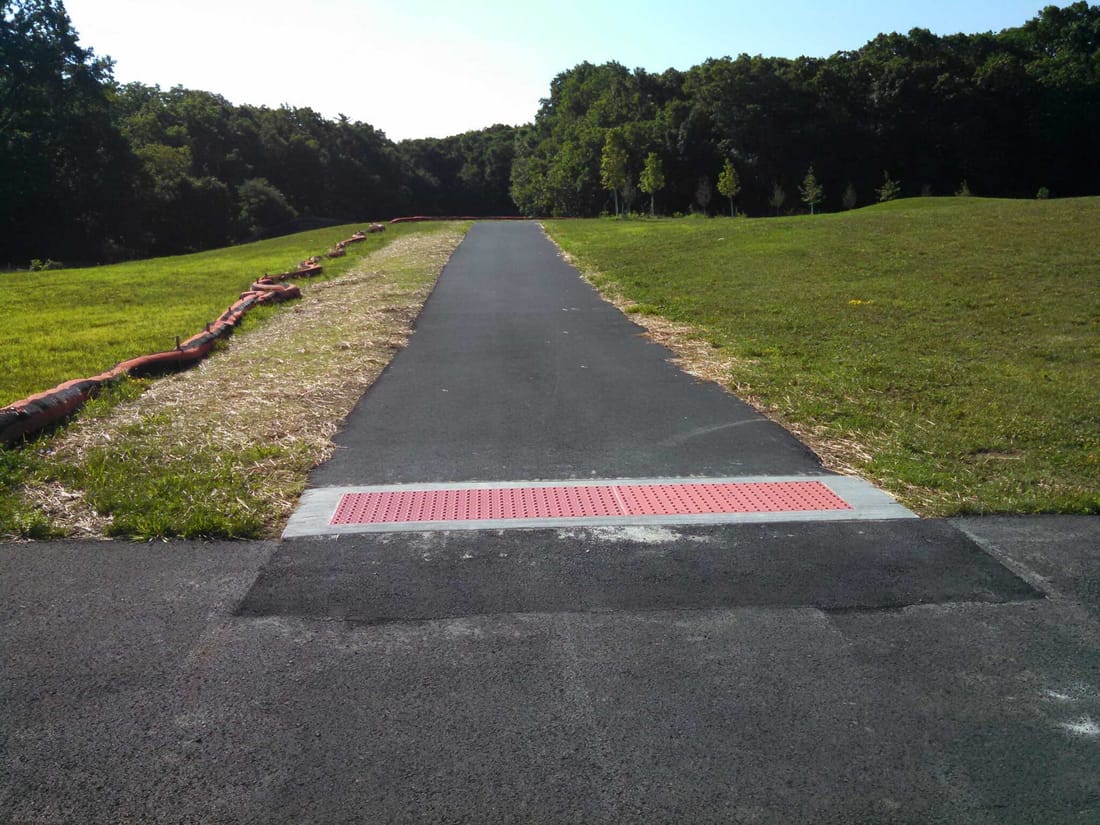
Our team focuses on safe, trip‑resistant surfaces and drainage that handles our North Texas storm bursts. If we are tying into existing concrete sidewalks or curbs, we pay close attention to smooth transitions so wheels and feet do not catch. We also consider how the sun hits the pavement, where water naturally flows on your property, and how landscaping will grow along the path over time.
Whether you need a short access path behind a business, a loop trail around a HOA pond, or a sidewalk connection between buildings, we adjust thickness, base depth, and edging to match the use. Light walking traffic, golf cart routes, and maintenance vehicles all need different specifications. When you call Precision Asphalt Plano, you get a pathway designed specifically for Plano soil, weather, and usage, not a one‑size‑fits‑all paving job.
Planning Your Path: Layout, Width, and Accessibility
A durable asphalt pathway starts with a smart layout. We walk your property with you, flagging natural desire lines, low spots, and existing utilities. For HOA and commercial paths, we often recommend loop designs so users can walk or run without backtracking. For schools and churches, we consider pinch points where crowds gather and need extra width.
Width is one of the first decisions. For typical neighborhood sidewalks, 4 to 5 feet works for two people to walk side by side. For multi‑use trails that expect bikes, strollers, or golf carts, 8 to 10 feet is more realistic. When a path runs along a busy street in Plano, we may suggest wider sections or buffer strips for safety and comfort.
Accessibility matters. We follow ADA guidelines for slopes and cross‑slopes so wheelchairs and walkers can use the path comfortably. That means keeping the running slope low enough, flattening cross‑slope near driveways, and building smooth transitions at street crossings or parking lot tie‑ins. Where grades are unavoidable, we may add resting areas or wider sections. All of this planning happens before we place any asphalt, which keeps your project efficient and reduces expensive changes later.
How We Build Asphalt Pathways, Sidewalks, and Trails
Good asphalt pathway paving is mostly about what you cannot see. We start with excavation, removing grass, soft topsoil, and any existing failed pavement. For Plano properties we often go 6 to 8 inches below finished grade to make room for a strong base, more if the soil is especially soft or the path will carry carts or small vehicles.
Next comes the base. We typically install a compacted crushed stone or flex base, graded and compacted in thin lifts with a vibratory roller or plate compactor. For light‑use walking paths, 4 inches of base might be enough. For trails that will see utility carts or light trucks, we may build 6 inches or more. In areas with poor drainage, we may use a more open, drainable base and add French drains or cut swales to carry water away.
Once the base checks out with a proof roll (no pumping or flexing under the roller), we place the hot‑mix asphalt. For most walkways we use a fine‑graded surface mix so the finish is smooth underfoot and safe for small wheels. Typical thickness is 2 to 3 inches compacted, installed in one or two lifts depending on use. After laying the asphalt with a paver or by carefully hand‑placing on narrow sections, we compact with a steel drum roller and smaller plate compactors near edges.
Edges are a key detail. We can build a compacted shoulder that tapers into the lawn, install metal or plastic edging, or pour a concrete ribbon edge where you want a crisp, long‑lasting border. Finally, we check all transitions to entrances, parking lots, and other sidewalks to make sure there are no abrupt lips that could cause trips or catch bicycle tires.
Material Options, Finishes, and Add‑Ons
Not every asphalt path needs the same mix or finish. At Precision Asphalt Plano, we match materials to how and where the path will be used. A shaded neighborhood walking loop can use a standard fine‑graded mix. A sun‑baked sidewalk next to a south‑facing commercial building may benefit from a slightly stiffer mix that holds up better in prolonged summer heat.
If the path will handle repeated golf cart or maintenance vehicle traffic, we can increase asphalt thickness and use a mix with a higher stone content for added strength. For school or park trails, we often recommend a very tight, smooth finish that is friendly for scooters and small bike tires.
You can also choose visual details. Asphalt pathways are typically left their natural deep charcoal color, but we can add striping, center lines, or edge lines where you want to separate users or mark curves and crossings. For crossings at parking lots or drive lanes, we can install thermoplastic markings or contrasting textures to cue drivers and pedestrians.
Lighting foundations, crosswalk approaches, and connection pads to benches, playgrounds, or pavilions can be built into the asphalt layout. When requested, we coordinate with your electrician or playground contractor so conduit, sleeves, and post bases are in the right place before paving, which avoids cutting into new asphalt later.
Local Factors in Plano: Weather, Soil, and Best Timing
Plano’s black clay soils and sudden rainstorms are tough on poorly built pathways. In many neighborhoods we see heaving and cracking where paths were laid directly on top of expansive clay without enough base. Our crews are familiar with these conditions, so we test the subgrade and often stabilize soft spots rather than paving over them.
Weather timing is another local factor. For asphalt pathway paving in Plano, the best seasons are typically October through early May when we avoid the worst heat. Cooler, dry days allow the asphalt to be placed and compacted without the surface scuffing or becoming too pliable. In peak summer, we schedule work earlier in the morning and monitor surface temperatures so the finish stays tight and smooth.
Rain is a constant consideration. We do not place asphalt on a wet base. If a storm passes through, we let the base dry and recompact as needed before continuing. During design, we give water a path away from your asphalt by adding slight cross‑slopes, ditches, or inlets. This is especially important along creeks, drainage easements, and detention ponds that are common in Plano subdivisions.
For HOAs and commercial sites, we help you phase work to keep access open. This might mean building one side of a loop at a time or creating temporary gravel walk‑arounds so residents and customers still have a safe route during construction.
Costs, Lifespan, and Common Problems to Watch For
Several factors drive the cost of an asphalt pathway project. Total length and width are obvious, but the real cost drivers are base thickness, access for equipment, and how many small tie‑ins or intricate curves are required. A straight path across an open field costs less per foot than a winding trail that weaves around trees and structures.
We provide itemized estimates that separate grading, base, asphalt, and any extras like edging or striping. For budgeting, a simple light‑use walking path in Plano will often have 40 to 60 percent of its cost in base prep alone, particularly on soft or uneven ground. Cutting corners on base might reduce the upfront price but usually leads to premature cracking or settling.
When built correctly and maintained, an asphalt pathway in our climate can last 15 to 25 years before needing full replacement. Typical maintenance includes crack sealing, localized patching, and periodic sealcoating to protect the surface from UV and water. Common issues to watch for are ponding water, early hairline cracks, and edges that start to ravel where turf or roots creep in.
If you notice low spots holding water after a rain or roots lifting a section of path, taking action early can prevent trip hazards and more expensive repairs. Precision Asphalt Plano offers inspection and repair services for existing paths, not just new installs, so we can help you decide whether a spot repair, overlay, or full replacement makes the most sense.
What to Expect When You Hire Precision Asphalt Plano
From first visit to final walkthrough, our goal is to make your asphalt pathway project straightforward and neighbor‑friendly. We begin with an on‑site consultation where we measure, look at drainage, and talk about how people will use the path. You receive a clear proposal that outlines scope, thicknesses, base prep, and schedule so you know exactly what is included.
Before work starts, we help you coordinate notices to residents or tenants if the path runs through shared areas. Our crews mark utilities, set up safety fencing where needed, and keep work zones tidy at the end of each day. For schools and busy commercial sites, we can schedule heavier work on weekends or school breaks to reduce disruption.
During construction, you will see us check base compaction, slopes, and thickness repeatedly. We would rather fix a low spot before asphalt than patch it afterward. Once paving is complete, we typically recommend keeping foot traffic off the new surface until the next day and delaying any vehicle traffic (on cart or access paths) for at least 48 hours.
At the end of the job, we walk the full route with you, checking transitions, drainage, and any details that matter to your users. We also talk through a simple maintenance plan tailored to your site. When you are ready to plan a new asphalt pathway, sidewalk, or trail in Plano, Precision Asphalt Plano is ready to design and build it with the long term in mind.