Home › Commercial Gravel-to-Asphalt Conversions
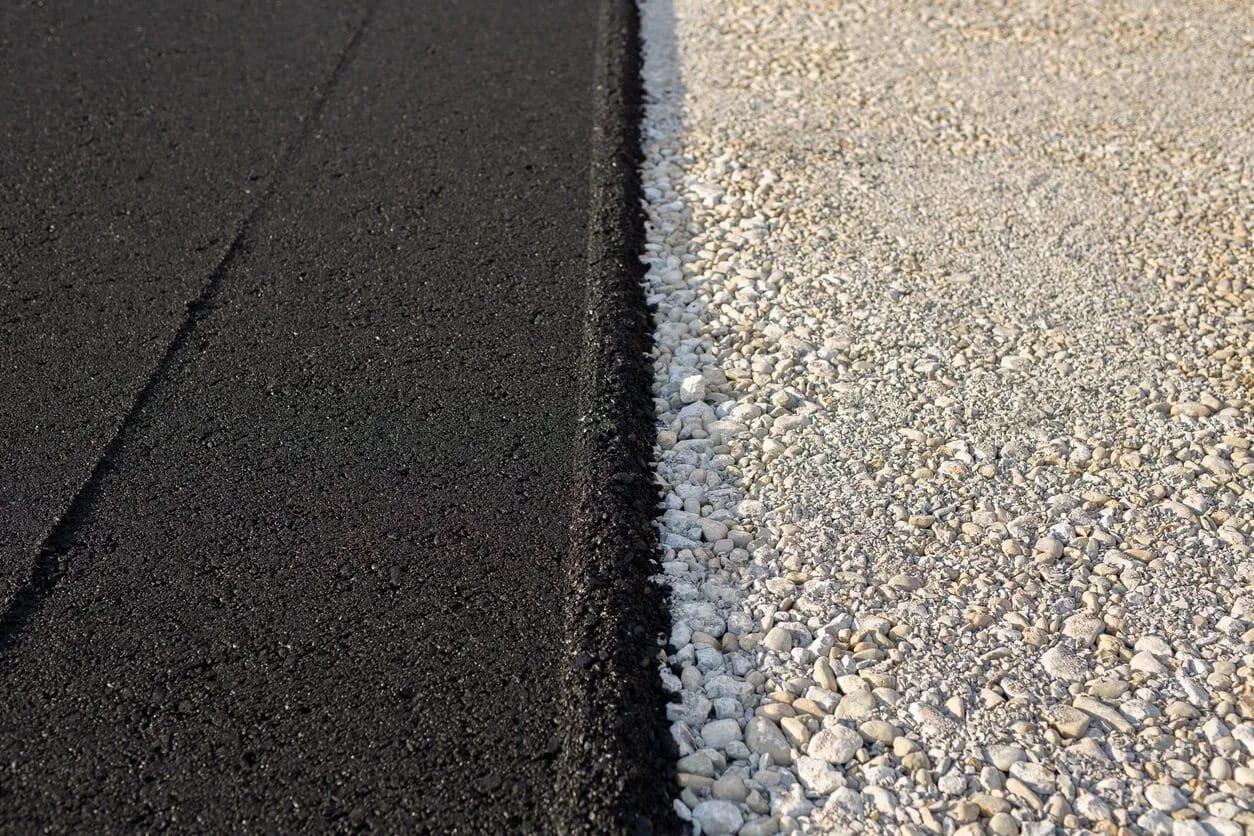
Upgrade dusty, rutted surfaces with commercial gravel to asphalt paving in Plano, TX. We stabilize and regrade existing lots and roads, then install durable asphalt that reduces maintenance, controls mud, and gives your business a clean, professional appearance.
Precision Asphalt Plano provides professional commercial gravel to asphalt throughout Plano, TX, Texas and the surrounding area. Our licensed, insured crew delivers safe, clean, on-time work with a free estimate before anything begins. Call (469) 609-1491 or request your free quote.
Commercial Gravel-to-Asphalt Conversions in Plano, Built for Real-World Use
If you manage a commercial property in Plano or anywhere in Collin County and you are tired of dust, mud, and rutting in your gravel lot, a commercial gravel-to-asphalt conversion can be a smart upgrade. Precision Asphalt Plano focuses on turning worn gravel parking areas, drives, and loading zones into stable, code-compliant asphalt surfaces that stand up to North Texas traffic and heat.
We start by asking how the space is actually used: car parking for customers, heavy truck access for deliveries, or a mix of both. That use determines asphalt thickness, base requirements, and drainage design. For example, a small retail lot with light car traffic can often use a 2 inch surface over a solid base, while loading docks with regular 18 wheeler traffic typically need a thicker asphalt structure and more attention to subgrade strength.
Plano no longer accepts new commercial gravel lots in most zoning districts, and many HOAs and property managers are tightening rules on dust and runoff. Converting to asphalt can help with city expectations, lease requirements, and tenant appeal. Precision Asphalt Plano helps you line up the scope with what city inspectors and your risk manager will expect, so you do not have surprises later when you expand or sell the property.
How We Convert Your Commercial Gravel Lot to Asphalt
A proper commercial gravel-to-asphalt conversion is more than just paving over the rock you already have. Precision Asphalt Plano follows a structured process that is tailored to Plano’s soil and weather.
1. Site evaluation and elevations: We walk the site with you to look for soft spots, ponding water, underground utilities, and access routes. We shoot grades to see where water wants to go and check if we can use existing slopes or if regrading is needed. This is important in Plano clay soils, which expand and contract when moisture changes.
2. Subgrade assessment: We test the existing gravel and the soil below it. If the gravel is thin or contaminated with fines and mud, we cannot simply pave over it. In those cases we strip out unsuitable material, proof-roll the subgrade with a loaded truck or roller, and mark areas that deflect or pump water for undercut and replacement.
3. Base build-up: Most commercial conversions in Plano require at least 4 to 8 inches of compacted flexible base (crushed limestone) depending on traffic and soil conditions. We spread the base in lifts, typically 2 to 3 inches at a time, moisture condition it, then compact it to a specific density. You will see us proof-roll the base as well, so soft areas are corrected before paving.
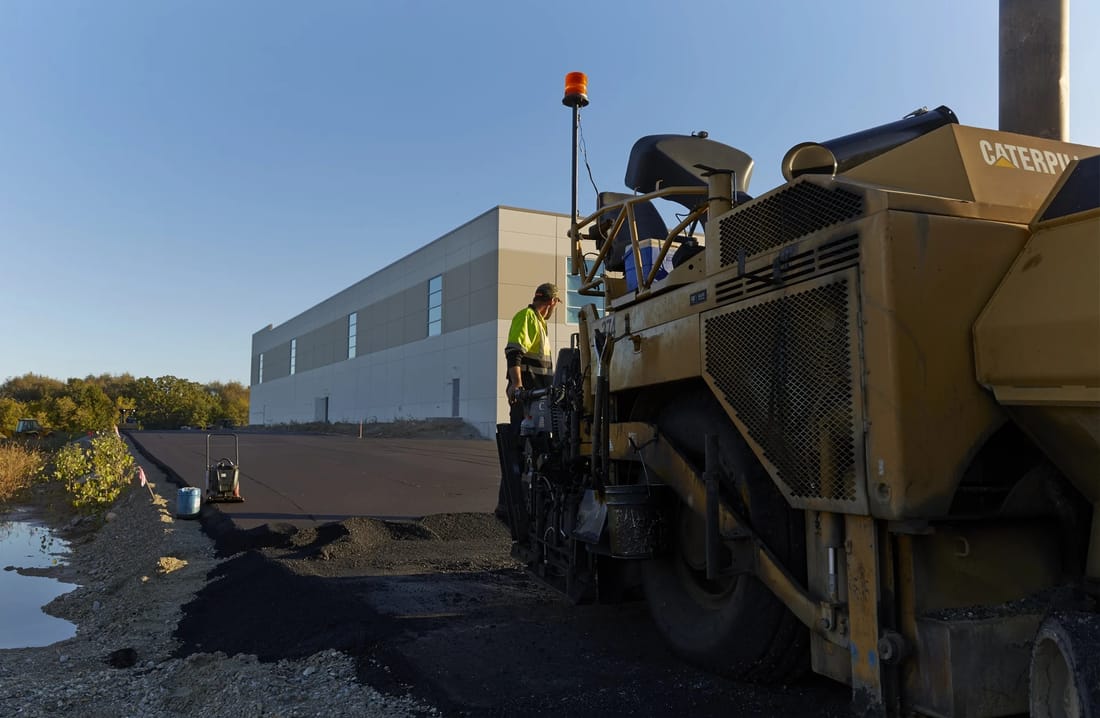
4. Asphalt placement: For light-duty car parking, we usually install a 2 inch asphalt surface course over the base. For drive lanes, dumpster pads, and delivery areas, 3 inches or more may be recommended. We use hot mix asphalt suited to North Texas heat and load demands, installed by a paver for a smooth, even mat, then compacted with steel drum and pneumatic rollers.
5. Finishing details: Once cooled, we handle striping, wheel stops, signage posts, and any concrete transitions at sidewalks or entrances. When needed, we add small concrete aprons at dumpster enclosures or dock areas, since steel wheels and tight turning can be hard on asphalt.
Design Options, Thickness Choices, and Drainage Planning
Commercial gravel-to-asphalt conversions have more design choices than most owners expect. Precision Asphalt Plano walks you through options so you are not overbuilding or underbuilding your lot.
Asphalt structure: We can install a single thicker asphalt layer or a base course topped with a finer surface course. For example, a 2 inch surface over a 2 inch binder can be a good fit for mixed-use lots that see both customer traffic and periodic trucks. For strictly light-vehicle parking, a single 2 to 2.5 inch mat over a strong base is often more cost-effective.
Drainage design: Many gravel lots absorb some water, but once you convert to asphalt, water must move off the surface and into swales, inlets, or existing storm systems. In Plano, inadequate drainage can lead to standing water that damages asphalt and can draw attention from inspectors. We set slopes carefully, typically 1.5 to 2 percent for parking areas, and, where necessary, add valley gutters or inlets that connect to your existing storm piping.
Surface layout: During conversion we can tighten up or reorganize your layout. That might mean adjusting stall sizes to meet current ADA and city standards, widening drive aisles for delivery trucks, or creating marked fire lanes where the Plano Fire Department will expect them. Restriping from scratch is your chance to improve traffic flow and safety.
Tie-ins and edges: Many commercial gravel lots blend into dirt or grass at the edges. With asphalt, those transitions should be controlled. We look at whether you need concrete curb, asphalt edge on grade, or ribbon curb to keep edges from raveling. At entrances, we coordinate elevations with the city street so you do not end up with a lip or trip hazard at the approach.
Cost Drivers, Timelines, and Common Problems We Solve
On commercial gravel-to-asphalt projects, most of the cost is not the asphalt itself, but the preparation underneath it. Precision Asphalt Plano is upfront about what drives your price so you can plan your budget.
Key cost factors include: depth and quality of existing gravel, strength of the native soil, required asphalt thickness for your traffic, drainage work, and any concrete work such as curbs, ramps, or dock areas. If your current gravel lot was never properly built, we may need to remove soft material and bring in more base rock than you expect. We document those conditions during the estimate and explain what is optional and what is not.
In Plano clay soils, the most common problems are soft spots, ponding water, and dust migration into nearby businesses. We fix soft spots by undercutting, then backfilling with select fill or lime-treated material before rebuilding the base. For low areas that collect water, we adjust grades or add inlets and tie them into your existing storm system when feasible. To control dust during construction, we plan phasing and watering so neighbors and tenants are not choking on material while we work.
Typically, a small commercial gravel-to-asphalt conversion (say 20 to 40 spaces) can be completed in 2 to 4 working days, while larger centers or loading areas may run a week or longer, especially if we are working in phases to keep portions of the lot open. We coordinate staging with you, so critical entrances remain functional and deliveries can continue.
Permitting can vary depending on the size and zoning of the property. In many cases, resurfacing alone might not trigger a full site plan, but drainage changes, curb additions, or expansions often do. We can coordinate with your civil engineer or architect when needed, and we follow City of Plano and Collin County standards so your new pavement will pass inspections and lender reviews.
What Plano Property Owners Should Know Before Converting
Before you turn your gravel lot into asphalt, there are a few practical items that can save you money and headaches. Precision Asphalt Plano encourages commercial clients to get clarity on these points early.
First, confirm your long-term use of the property. If you plan to add a building, outdoor storage, or change traffic patterns in a year or two, we can design your asphalt now so it will tie into those future improvements without major rework. Second, check your lease language and any HOA or property management rules. Some Plano retail centers and office parks have specific requirements for striping colors, fire lane markings, and accessible parking layouts.
Third, think about maintenance from day one. A new asphalt lot will last longer if minor cracks are sealed and traffic is controlled. We can recommend sealcoating schedules, signage, and heavy truck routing to avoid early rutting. For loading areas that see turning forklifts or steel wheels, we may suggest concrete in those specific pads, even if the rest is asphalt.
Finally, choose a contractor who will show you compaction tests, explain the base depth, and walk the site with you before pricing. With Precision Asphalt Plano, you get a local crew that works in these soils and codes every day, so your commercial gravel-to-asphalt conversion is not just smoother, it is built to hold up under North Texas conditions.