Home › Gravel-to-Asphalt Conversions
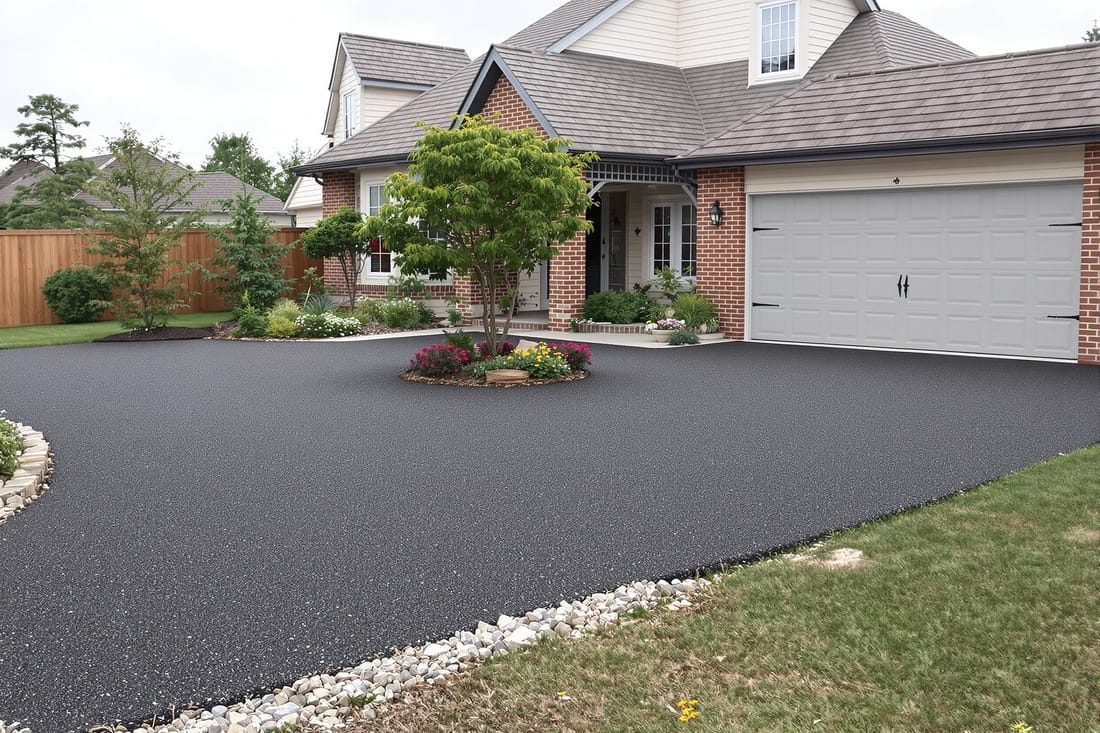
Upgrade your rough, dusty surface with a gravel to asphalt driveway conversion in Plano, TX. We correct drainage, stabilize the base, and install a smooth asphalt surface that eliminates mud, reduces maintenance, and gives your property a clean, finished look.
Precision Asphalt Plano provides professional gravel to asphalt driveway throughout Plano, TX, Texas and the surrounding area. Our licensed, insured crew delivers safe, clean, on-time work with a free estimate before anything begins. Call (469) 609-1491 or request your free quote.
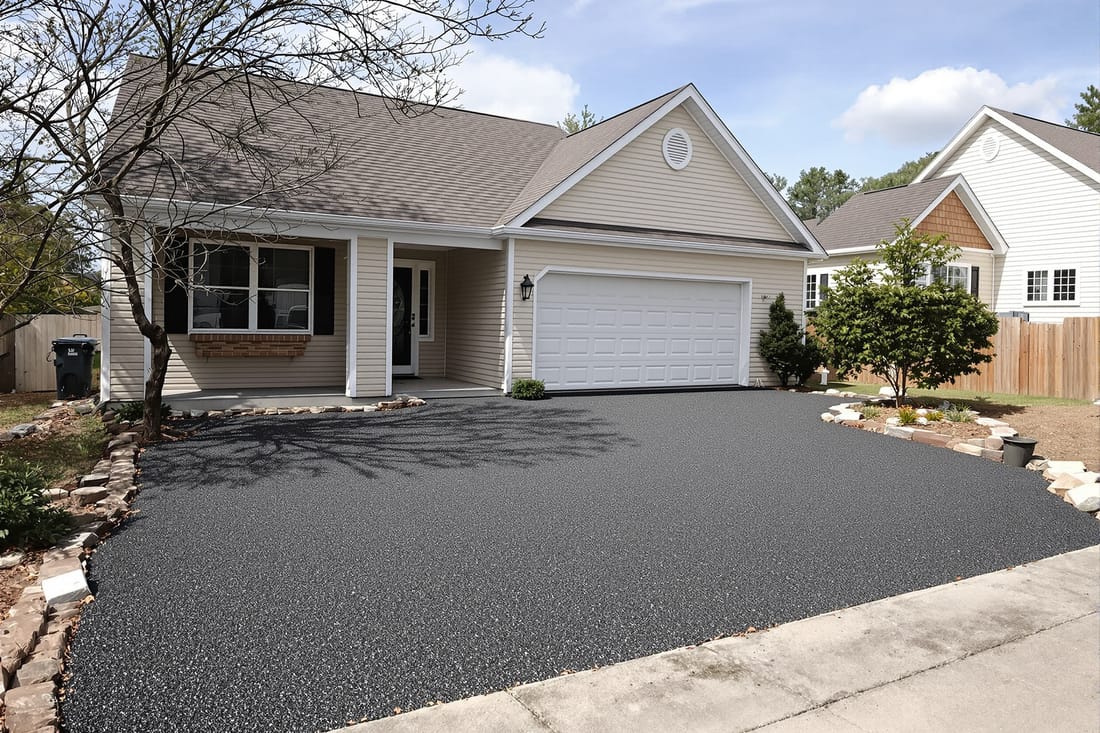
Turn Your Gravel Driveway Into a Clean, Solid Asphalt Surface
If you are tired of dust clouds, loose rock, and ruts every time it rains in Plano, a gravel to asphalt driveway conversion can be a big quality of life upgrade. At Precision Asphalt Plano, we focus specifically on taking existing gravel or crushed rock drives and turning them into smooth, durable asphalt that fits local conditions in Collin and Denton counties.
Unlike a brand new driveway on untouched ground, converting gravel to asphalt starts with what you already have. We look at how thick your existing gravel base is, how water moves across the property, and how heavy your traffic is. A short residential driveway in West Plano that only sees cars is very different from a long access drive in East Plano that gets delivery trucks or trailers.
Asphalt is a good fit in North Texas because it flexes with our clay soils and high summer heat. A properly built asphalt driveway handles the expansion and contraction better than many rigid surfaces, as long as the base is prepared correctly. The end result is less mud in wet weather, less dust in dry weather, better curb appeal, and a surface that is easier to plow, sweep, and maintain than loose gravel.
From day one, we explain what your specific gravel to asphalt driveway will need, what condition your base is in, and what options you have for thickness, edging, and drainage so you can make an informed decision.
Step-by-step: How We Convert Gravel To Asphalt In Plano
A solid gravel to asphalt driveway starts with the work you do before a single ton of asphalt is laid. Here is how Precision Asphalt Plano typically handles a conversion project in the Plano area.
1. Site visit and measurements: We walk the driveway with you, note soft spots, standing water, and steep areas, then measure the width and length to calculate accurate material quantities. We also identify any low limbs, drainage ditches, or tight turns that might affect truck access.
2. Evaluate and rework the existing gravel: Many Plano driveways have a mix of gravel and native soil. We use a grader or skid steer to scarify and mix the existing material, then reshape the driveway with a proper crown or cross slope so water sheds off. If the existing gravel layer is too thin or contaminated with clay, we plan to add new base rock.
3. Strengthen the base as needed: For most homes, we recommend at least 4 inches of compacted base material before asphalt, more if the driveway sees work trucks, RVs, or equipment. We typically use crushed limestone flex base, which performs well on local soils. After spreading, we compact in multiple passes with a vibratory roller to lock the stone together and reduce future settling.
4. Address drainage and edges: Plano gets intense downpours, so we check where water will go after your driveway is paved. That can mean shallow swales, small culverts at the road, or minor grading near the garage slab. At the edges, we can taper the base into the soil, or add concrete or metal edging where you want a crisp line.
5. Install the asphalt surface: For residential gravel to asphalt driveways, we commonly place a 2 to 3 inch compacted asphalt layer. We bring in hot mix from a local plant, spread it with a paver or by machine and hand in tight areas, then compact it with a steel drum roller. Joints are treated carefully so you do not end up with weak seams.
6. Final rolling, cleanup, and walk through: Once the mat is fully compacted, we do a final inspection with you, mark off the driveway so no one drives on it too early, and explain curing time and maintenance. Usually you can walk on it the same day and drive on it within 24 to 48 hours, depending on temperature.
Design Choices, Thickness Options, And What Affects Cost
Not every gravel to asphalt driveway in Plano should be built exactly the same. Precision Asphalt Plano tailors thickness, layout, and details to how you use the space and what your budget is.
Thickness and base depth: Light residential traffic might be fine with a 4 inch compacted base and 2 inch asphalt surface. If you have heavy trucks, a boat, or an RV parked regularly, we may suggest 6 inches of base and 3 inches of asphalt in the parking areas. These choices have the biggest impact on cost because they change how many truckloads of material and how much machine time the project needs.
Driveway layout and turning areas: Tight turns or steep slopes take more grading time and sometimes more asphalt to create a safe, drivable surface. In neighborhoods around Legacy West and central Plano, we often widen the top of the driveway near the garage to create a small hammerhead or parking pad so backing out is easier.
Edging and transitions: Costs are affected by how you want the driveway to tie into the street, sidewalks, and your garage. Tapered asphalt into an existing concrete street is usually standard. If you want concrete ribbons or a concrete apron at the garage, we plan and price that separately. Some HOAs prefer defined borders, so we can include concrete edge bands or decorative stone borders if your association allows them.
Access and existing conditions: If trucks can back right up to the driveway, that keeps costs lower. Narrow alleys, overhead trees, or long runs across soft yards can add to labor. Heavily rutted or washed out gravel may require more base repair before paving. During your estimate, we point out these factors so there are no surprises later.
Local Considerations In Plano: HOAs, Permits, And Soil Movement
Plano homeowners often have a few extra boxes to check before a gravel to asphalt driveway project can begin. Precision Asphalt Plano is familiar with many local neighborhood requirements and city expectations, and we help you navigate them.
HOA approvals: Many Plano subdivisions, especially those with active HOAs, require you to submit a simple improvement request before changing driveway materials. Some specify that the main driveway surface must be concrete, but will allow asphalt for rear alleys, side drives, or secondary parking pads. We can provide a clear proposal, sketch, and material description that you can forward to your HOA board or architectural committee.
City and right of way issues: In most of Plano, a typical residential gravel to asphalt driveway that stays on your private property does not need a formal building permit. However, if we are modifying the approach where your driveway meets a city street or drainage ditch, the city may have standards for thickness, slope, and culvert sizing. We coordinate with you if an approach or culvert change appears necessary so you can check with the city before we schedule work.
Local soils and movement: Much of Plano sits on expansive clay that shrinks when it is dry and swells when it is wet. That movement shows up as cracks, dips, and raised areas in poorly built driveways. To manage this, we focus on base depth, good drainage, and proper compaction. We may recommend stabilizing very soft subgrade with lime or cement, or adding geotextile fabric between the native soil and base rock where the subgrade is pumping.
Weather timing: Asphalt needs a reasonably warm, dry window. In North Texas we often schedule gravel to asphalt conversions in spring, late summer, and fall, and we watch the forecast closely in case of big thunderstorms. We would rather move your job by a day than risk paving on a soaked or muddy base, which almost always leads to problems later.
What To Expect, Maintenance Tips, And How To Get A Quote
Once your gravel to asphalt driveway is installed, a few simple steps will keep it looking good and performing well for many years. Precision Asphalt Plano believes the project is not finished until you know exactly how to care for your new surface.
Curing and first week care: For the first 24 to 48 hours, we recommend keeping vehicles off the new asphalt so it can cool and harden. In the first few weeks during hot Plano afternoons, avoid very sharp turns while stopped and try not to park heavy vehicles in the exact same spot every day. This helps prevent early scuffing.
Sealcoating and crack repair: A common question is when to sealcoat after a gravel to asphalt conversion. In our climate, we usually suggest waiting 6 to 12 months so the asphalt can fully cure, then applying a quality sealer every 3 to 4 years. If you see small cracks start to form, especially near the edges or low spots, a quick crack fill keeps water out of the base and extends the life of the driveway.
Snow, ice, and cleaning: North Texas does not see a lot of snow, but when we do, avoid metal blades that dig into the asphalt. Use a rubber edge on snow shovels or plows if you can. For everyday cleaning, a stiff broom or light pressure washing keeps dirt and leaves from building up. Leaked oil and gas from vehicles should be cleaned with a degreaser as soon as you notice it.
Getting a local quote: Every gravel to asphalt driveway conversion is a bit different, so we start with a free on site visit in Plano or nearby communities. We will measure, check your existing gravel, talk through how you use the space, and give you a written estimate that shows base depth, asphalt thickness, and any drainage or edging work. That way you know exactly what you are paying for and how long the project will take.
If you are ready to trade your dusty or muddy gravel for a smooth asphalt surface, reach out to Precision Asphalt Plano. We will walk you through realistic options, not just a one size fits all package, so your new driveway fits your property, your HOA rules, and your budget.